Side effects of Ginkgo biloba
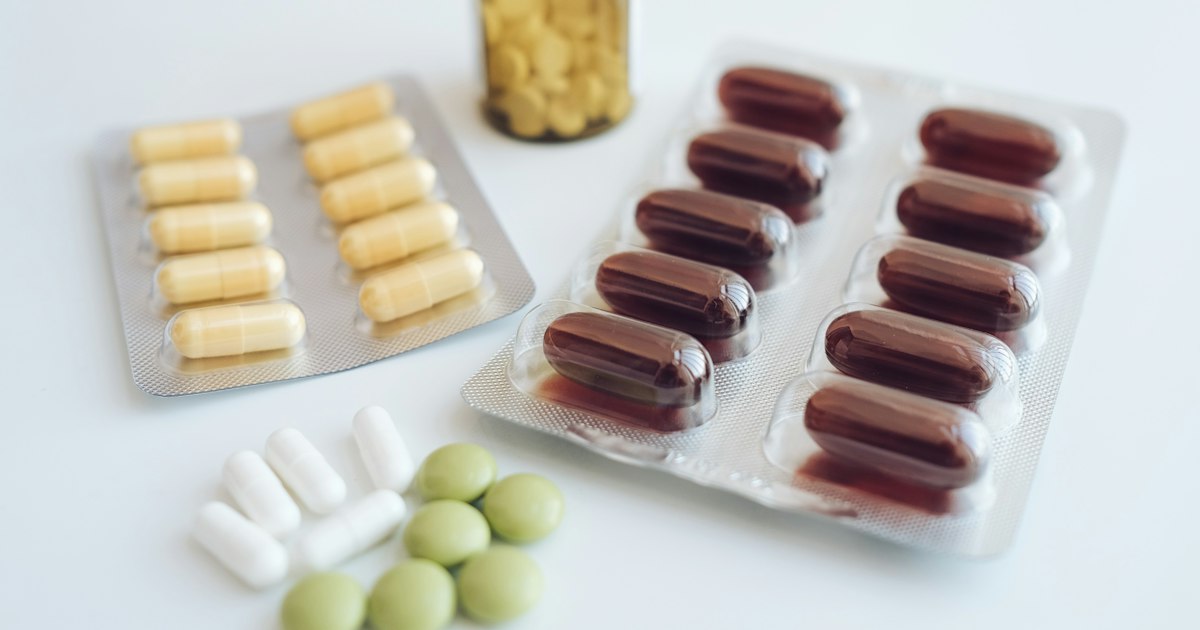
Ginkgo biloba has a reputation as a "mild" herbal remedy, and for most people the standardized extract is indeed well tolerated. But "natural" does not mean "without risks": ginkgo affects platelets, interacts with medications, and low-quality raw material may contain toxic impurities. The editorial team has systematized the known side effects — from frequent and mild to rare but serious.
General safety profile
In large clinical trials, where thousands of people took the standardized extract at a dose of 240 mg per day for years, the frequency of side effects was generally close to the placebo group. That is why European regulatory authorities allow it as a herbal medicinal product for adults.
At the same time, the safety profile strongly depends on product quality. The standardized extract is purified of ginkgolic acids, whereas cheap leaf powder or a poorly purified extract may contain them in much larger amounts. These compounds are responsible for allergic and irritant reactions.
Another factor is the individual situation: taking medications that affect blood clotting, a tendency to bleeding, epilepsy, an upcoming surgery. For a person without these factors the risks are minimal, but for a person with them they are already substantial.
Below we consider the side effects by group. It is important to remember that some of them have been described only in isolated clinical cases, where a cause-and-effect relationship with ginkgo has not always been proven.
Frequent and mild reactions
The most frequent complaints when taking ginkgo concern the digestive and nervous systems and are usually mild and transient. The European monograph and the instructions for registered products provide the following list.
- Headache — one of the most frequent complaints, especially at the start of intake.
- Dizziness.
- Nausea, stomach discomfort, diarrhea.
- Allergic skin reactions: redness, itching, rash.
- A sensation of palpitations (rare).
| Reaction | Approximate frequency | What to do |
|---|---|---|
| Headache, dizziness | Common (≥1/100) | Usually passes; with persistent pain — stop taking it |
| Digestive disorders | Common | Take with food, split the dose |
| Allergic skin reactions | Frequency unknown | Stop taking it, consult a doctor |
| Bleeding | Frequency unknown, isolated cases | Stop immediately, seek help |
Headache and stomach symptoms can often be reduced by splitting the daily dose into two intakes and taking the extract after food. If the symptoms do not pass within a few days, it is wiser to give up the supplement.
Allergic reactions require immediate discontinuation. People who have already had a reaction to ginkgo fruit or contact with it need particular caution: the pulp of the "seed" contains ginkgolic acids, which cause contact dermatitis similar to a reaction to poison ivy.

Bleeding: a real risk or an exaggeration
The most discussed risk of ginkgo is bleeding. The theoretical basis is clear: ginkgolide B inhibits the action of platelet-activating factor. The literature describes dozens of clinical cases of spontaneous bleeding, including hemorrhages in the brain and eye, in people who took ginkgo.
The systematic review by Bent and colleagues in 2005 analyzed such reports and concluded that in many cases the patients had additional risk factors: taking anticoagulants or aspirin, old age, arterial hypertension. In most cases it is impossible to prove that it was specifically ginkgo that caused the bleeding.
The meta-analysis by Kellermann and Kloft in 2011, which combined randomized controlled trials of the standardized extract, found no significant effect on blood-clotting indicators and the risk of bleeding compared with placebo. This is a reassuring result, but it applies mainly to people without other risk factors.
Therefore the editorial team's practical position is as follows: for a healthy person the risk is small, but when combined with warfarin, antiplatelet agents, non-steroidal anti-inflammatory drugs, as well as before surgical interventions and dental operations, ginkgo should be discontinued in advance in agreement with a doctor.
Seizures, ginkgotoxin and neurological risks
Special attention is paid to seizures. Ginkgo seeds contain ginkgotoxin (4'-O-methylpyridoxine) — an antagonist of vitamin B6 that disrupts the synthesis of the inhibitory neurotransmitter GABA. There are known cases of poisoning by the seeds, especially in children in Asia, which were accompanied by vomiting and seizures.
In the leaves the concentration of ginkgotoxin is much lower, and the standardized extract contains it in negligible amounts. However, the literature describes isolated cases of seizures in people with epilepsy against the background of taking ginkgo supplements. A causal relationship has not been definitively proven, but caution is justified.
Therefore, the editorial team does not advise people with epilepsy or a history of seizures to take ginkgo on their own. In addition to a direct effect, the extract could theoretically alter the metabolism of some antiepileptic drugs.
Another neurological complaint is sleep disturbance and agitation in sensitive people. It occurs infrequently and usually passes after moving the intake to the morning.
Interactions and toxicology data
In laboratory and some clinical studies, ginkgo extract affected cytochrome P450 enzymes (in particular CYP2C19 and CYP3A4) and the P-glycoprotein transporter. The 2013 review by Unger summarizes that most interactions in humans are weak, but for individual drugs — for example, omeprazole — changes in concentrations were recorded.
Practically important combinations for which it is worth consulting a doctor: anticoagulants and antiplatelet agents, non-steroidal anti-inflammatory drugs, antiepileptic drugs, SSRI antidepressants, drugs with a narrow therapeutic window.
In 2013, the US National Toxicology Program published the results of two-year studies of ginkgo extract in rats and mice at very high doses. Tumors of the liver and thyroid gland were found in the animals. On the basis of these data, the International Agency for Research on Cancer (IARC) classified ginkgo extract in group 2B — "possibly carcinogenic to humans".
This classification means that there is no evidence in humans, and the animal data were obtained at doses that substantially exceed human ones. Nevertheless, it is an argument against long-term intake without indications and in favor of quality standardized products.
Editorial conclusions
The standardized extract of ginkgo biloba is generally well tolerated: the most frequent side effects — headache, dizziness and digestive disorders — are mild and transient.
More serious risks — bleeding, seizures, drug interactions — concern mainly people with additional risk factors. It is precisely for them that taking ginkgo without a doctor's consultation is unacceptable.
Product quality matters for safety: ginkgolic acids in unpurified extracts increase the risk of allergy, and the seeds should not be used at all.
We also advise reading our articles "Who should not take Ginkgo biloba", "What to combine Ginkgo biloba with" and "Ginkgo biloba: dosage forms and which to choose".
References
- European Medicines Agency, Committee on Herbal Medicinal Products (HMPC). European Union herbal monograph on Ginkgo biloba L., folium. London: EMA; 2015.
- Bent S, Goldberg H, Padula A, Avins AL. Spontaneous bleeding associated with Ginkgo biloba: a case report and systematic review of the literature. J Gen Intern Med. 2005;20(7):657–661.
- Kellermann AJ, Kloft C. Is there a risk of bleeding associated with standardized Ginkgo biloba extract therapy? A systematic review and meta-analysis. Pharmacotherapy. 2011;31(5):490–502.
- Leistner E, Drewke C. Ginkgo biloba and ginkgotoxin. J Nat Prod. 2010;73(1):86–92.
- Unger M. Pharmacokinetic drug interactions involving Ginkgo biloba. Drug Metab Rev. 2013;45(3):353–385.
- National Toxicology Program. Toxicology and carcinogenesis studies of Ginkgo biloba extract in F344/N rats and B6C3F1 mice (gavage studies). NTP Technical Report 578. Research Triangle Park (NC): NTP; 2013.
- IARC Working Group on the Evaluation of Carcinogenic Risks to Humans. Some drugs and herbal products. IARC Monogr Eval Carcinog Risks Hum. 2016;108.
- DeKosky ST, Williamson JD, Fitzpatrick AL, et al. Ginkgo biloba for prevention of dementia: a randomized controlled trial. JAMA. 2008;300(19):2253–2262.
Andriy Melnyk
A strength-sports coach and author of programs for beginner and intermediate levels. Writes about training planning.