How to take Ginkgo biloba: dosage, timing, duration
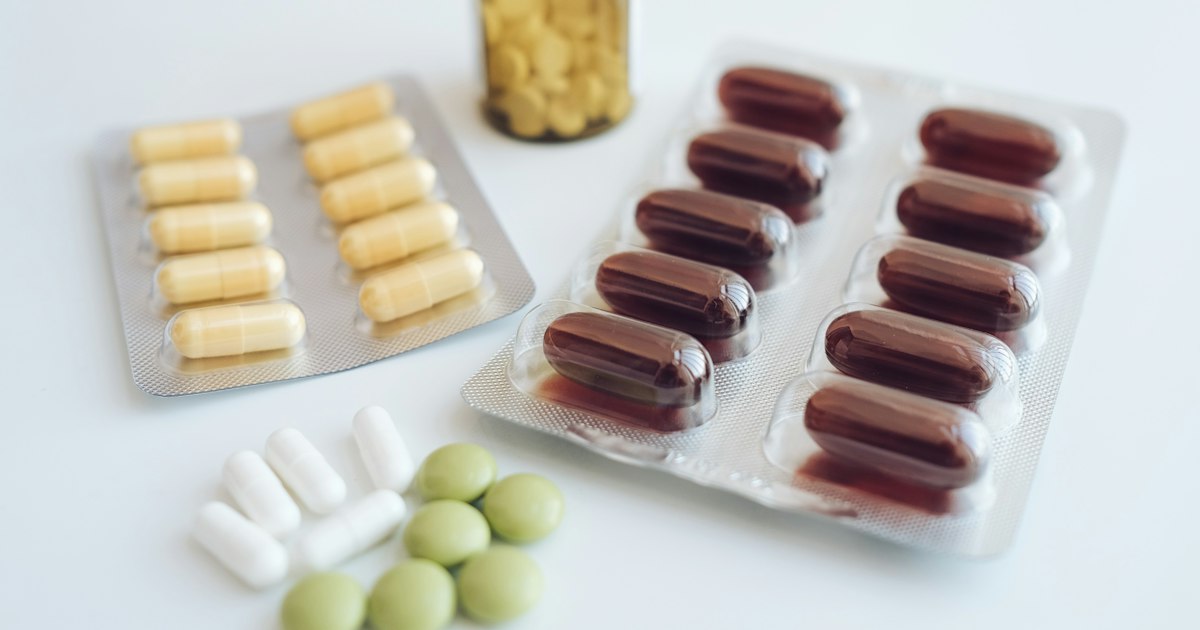
The result from ginkgo biloba largely depends on what exactly and how a person takes. A standardized extract at doses from clinical studies and a random "ginkgo leaf" capsule are different things. The editorial team explains which doses were used in science, when it is better to take ginkgo, how much time is needed to assess the effect and in which situations intake should be suspended.
What to base the dose choice on
All reasonable recommendations for ginkgo dosing are based on the standardized leaf extract, containing about 22–27 % flavonol glycosides and 5–7 % terpene lactones. If these indicators are not on the package, it is impossible to predict the effect and correctly calculate the dose.
The second question is the purpose of intake. Cognitive studies in elderly people, short-term attention experiments in young people, and works with athletes used different doses and different durations. Therefore there is no "universal" dose, there is a range tested in studies.
The third factor is individual circumstances: age, medications, blood-clotting status, stomach sensitivity. Even an ordinary herbal supplement can be inappropriate for a particular person, and here the decision should be made together with a doctor.
Finally, it is worth honestly assessing expectations. Ginkgo does not act like caffeine: in most studies the effects, if any, developed gradually and were of moderate intensity.
Doses used in studies
The European monograph on dry ginkgo leaf extract for improving age-related cognitive impairment indicates a daily dose of 240 mg, divided into one or two intakes. It was this dose that was used in the large multi-year GEM and GuidAge trials.
| Context | Dose of standardized extract | Regimen | Source |
|---|---|---|---|
| Age-related cognitive impairment | 240 mg/day | 1–2 intakes, long-term | EMA monograph |
| Dementia prevention (no effect) | 240 mg/day (2 × 120 mg) | Years | GEM, GuidAge |
| Memory in healthy older people | 120 mg/day | 6 weeks | Solomon et al., 2002 |
| Acute attention in young people | 120, 240, 360 mg | Single dose | Kennedy et al., 2000 |
For healthy adults who want to try ginkgo as a supplement, a reasonable benchmark is 120–240 mg of standardized extract per day. It is better to start at the lower limit to assess tolerability, especially if there have previously been headaches or a sensitive stomach.
There is no point in exceeding the doses tested in studies: there is no evidence that a higher dose gives a greater effect, while the risk of adverse reactions and interactions increases.
Leaf powder, teas and tinctures cannot be converted into a dose of standardized extract. Tea contains very few active substances, and raw leaves additionally contain ginkgolic acids.
When and how to take it
Ginkgo's terpene lactones have a half-life of several hours, so in clinical protocols the daily dose is often divided into two intakes — in the morning and during the day. Taking the entire dose at once is also acceptable if it is well tolerated.
- With food or without.Food slightly slows absorption but does not reduce it overall. People with a sensitive stomach are better off taking it after food.
- Time of day.The first half of the day is more convenient: in sensitive people an evening intake sometimes disrupts sleep.
- Relative to training.There is no strict tie-in; there is no evidence that taking it before training provides an advantage.
- Regularity.For assessing the effect, daily intake is more important than the exact hour.
- Water.Capsules and tablets are washed down with ordinary water.
If the goal is an acute effect on attention, as in Kennedy's studies, the effects were recorded within a few hours after intake. However, the practical benefit of such short-term changes for an athlete has not been proven, so we do not regard a "single dose before a competition" as a justified strategy.
Ginkgo should not be combined in a single intake with a large number of other supplements that also affect blood clotting — for example, high doses of fish oil or garlic — without a doctor's agreement.
Course duration and effect assessment
European recommendations for cognitive indications note that a course should last at least 8 weeks, and if there is no improvement after three months, the advisability of further intake should be reconsidered. This approach is reasonable to transfer to supplements as well.
For the assessment to be honest, it is useful to determine in advance what exactly you want to improve: well-being, concentration at work, the feeling of cold in the extremities. A subjective "seems better" is easily subject to the placebo effect.
The editorial team does not recommend long-term intake without clear indications. Large studies have not shown a benefit of long-term intake for dementia prevention, and the animal toxicology data, although obtained at very high doses, are an argument in favor of reasonable courses.
Breaks in intake do not have a strictly justified scheme, but a periodic assessment — whether the supplement is needed at all — is useful for any long-term regimen.
When intake should be suspended
There are situations in which ginkgo should be discontinued even with good tolerability. The most important of them is a planned surgical intervention or dental operation. The surgeon and anesthesiologist must be informed about ginkgo intake; the discontinuation period is determined by the doctor, usually a few days or longer.
Intake should be stopped if bruises appear without cause, gums bleed, nosebleeds, blood in urine or stool, and also with a skin rash and itching. These are reasons to consult a doctor, not simply to reduce the dose.
Ginkgo is also discontinued or coordinated with a doctor when starting new medications — anticoagulants, antiplatelet agents, antiepileptic drugs, antidepressants. Interactions are rarely strong, but the consequences can be serious.
Pregnancy and breastfeeding are another situation in which intake is not recommended due to the lack of safety data.
Editorial conclusions
The benchmark for dosing ginkgo biloba is the standardized extract: studies used 120–240 mg per day, divided into one or two intakes.
The timing of intake is not critical: it is convenient to take it in the first half of the day, after food if the stomach is sensitive. The effect is assessed no earlier than after 8 weeks, and if there is no result after three months, intake should be reconsidered.
Before surgery and when taking medications that affect blood clotting, ginkgo is coordinated with a doctor.
We also advise reading our articles "Ginkgo biloba: dosage forms and which to choose", "Side effects of Ginkgo biloba" and "What to combine Ginkgo biloba with".
References
- European Medicines Agency, Committee on Herbal Medicinal Products (HMPC). European Union herbal monograph on Ginkgo biloba L., folium. London: EMA; 2015.
- DeKosky ST, Williamson JD, Fitzpatrick AL, et al. Ginkgo biloba for prevention of dementia: a randomized controlled trial. JAMA. 2008;300(19):2253–2262.
- Vellas B, Coley N, Ousset PJ, et al. Long-term use of standardised Ginkgo biloba extract for the prevention of Alzheimer's disease (GuidAge): a randomised placebo-controlled trial. Lancet Neurol. 2012;11(10):851–859.
- Solomon PR, Adams F, Silver A, Zimmer J, DeVeaux R. Ginkgo for memory enhancement: a randomized controlled trial. JAMA. 2002;288(7):835–840.
- Kennedy DO, Scholey AB, Wesnes KA. The dose-dependent cognitive effects of acute administration of Ginkgo biloba to healthy young volunteers. Psychopharmacology (Berl). 2000;151(4):416–423.
- Kellermann AJ, Kloft C. Is there a risk of bleeding associated with standardized Ginkgo biloba extract therapy? A systematic review and meta-analysis. Pharmacotherapy. 2011;31(5):490–502.
- National Toxicology Program. Toxicology and carcinogenesis studies of Ginkgo biloba extract in F344/N rats and B6C3F1 mice (gavage studies). NTP Technical Report 578. Research Triangle Park (NC): NTP; 2013.
Andriy Melnyk
A strength-sports coach and author of programs for beginner and intermediate levels. Writes about training planning.